Ash Wednesday • 2026

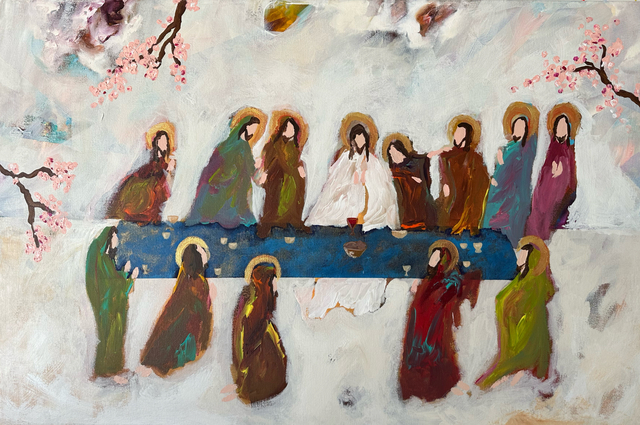
C. Russo, Vanitas (2023), oil on panel, Sloane Merrill Gallery (Boston, Massachusetts).

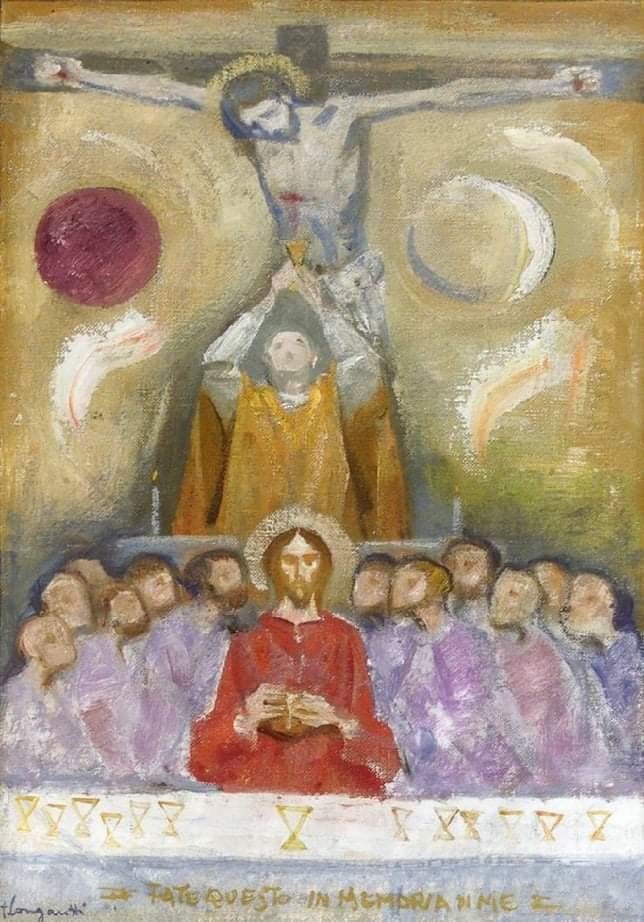
Ash Wednesday arrives without fanfare. No bells, no flowers, no bright colors—only a small cross of ash traced quietly on the forehead. It is one of the most honest days of the year. We come forward with the rest of the crowd, and the Church tells us the truth we usually avoid: remember that you are dust, and to dust you shall return. Not as a threat, but as a mercy. Because when we remember that life is fragile and time is short, many of our worries lose their weight. Old grudges begin to look foolish. Vanity grows thin. What truly matters comes into focus again: God, love, forgiveness, the people entrusted to us. Lent begins not with great resolutions, but with a simple gesture and a quiet invitation. Turn back. Come home. Start again. The ashes on our foreheads will be gone by the afternoon, brushed away by a hand or lost in the wind, but the grace they announce can remain—like a slow, minor-key prelude by Bach, steady and sober, guiding the heart gently back toward what is real and eternal •


Miércoles de Ceniza • 2026

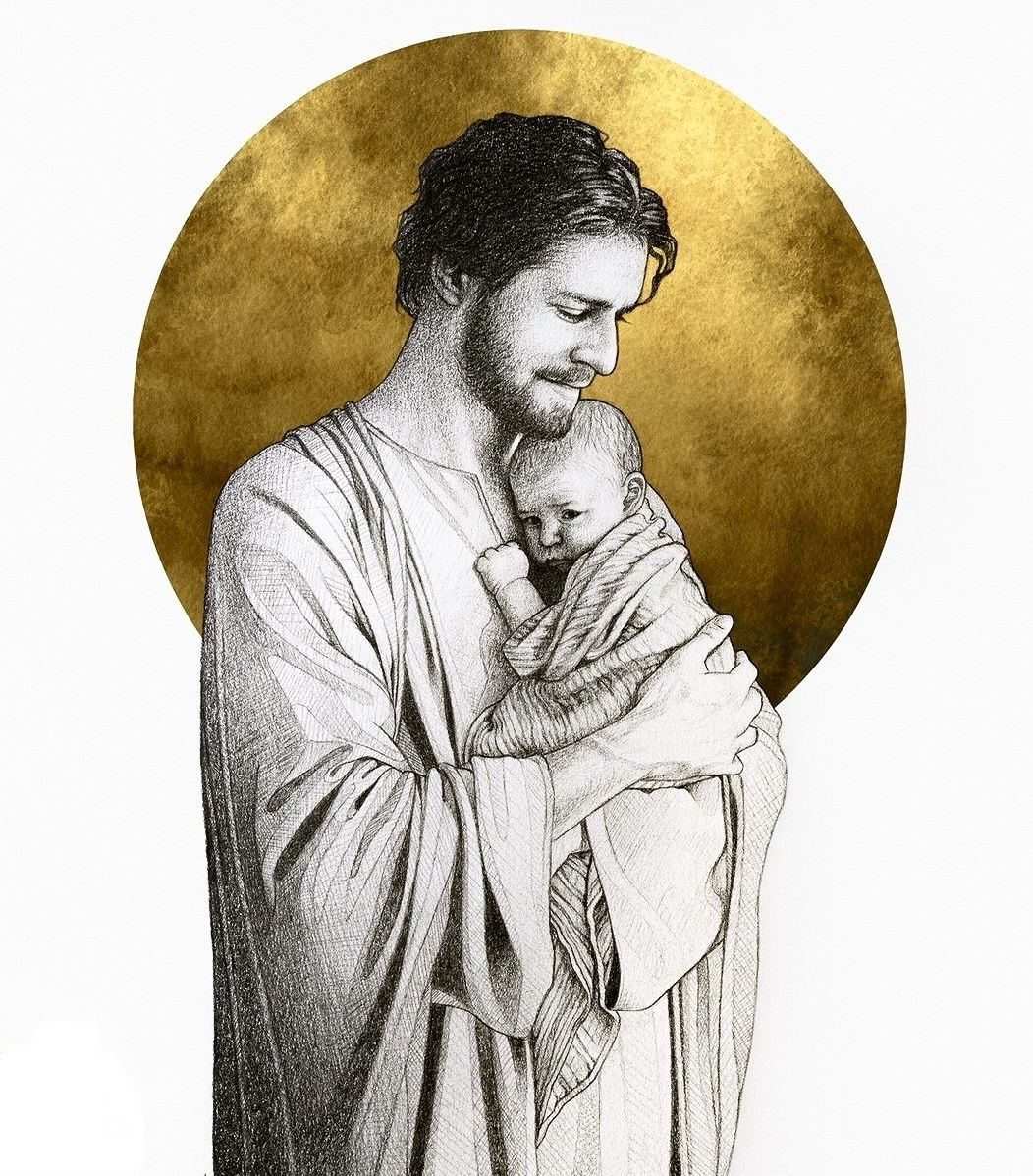
B. Antelami, Descendimiento de la cruz (1178), escultura en mármol, Catedral de Parma (Italia)

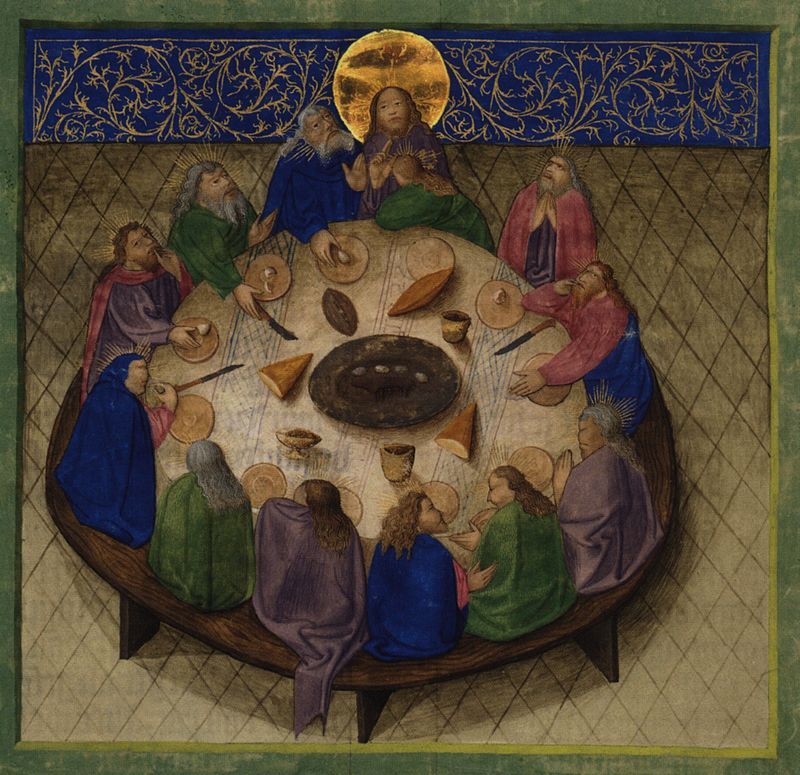
El Miércoles de Ceniza no empieza con promesas heroicas ni con planes complicados. Empieza con un gesto sencillo y con una verdad que a veces preferimos olvidar: somos frágiles, somos pasajeros, somos polvo. No es un mensaje triste, sino liberador. Porque cuando recordamos que la vida es breve, muchas cosas dejan de parecer tan importantes. Las discusiones inútiles pierden fuerza, las preocupaciones exageradas se encogen, y lo esencial vuelve a ocupar su lugar. La Cuaresma no es un tiempo para castigarnos, sino para volver al centro. Para hablar más con Dios y menos con el ruido. Para hacer espacio en el corazón. Para mirar de frente aquello que necesita cambio, sin miedo y sin excusas. El signo de la ceniza desaparece pronto, pero su sentido puede quedarse: una vida más sencilla, un corazón más humilde, una fe más real. No se trata de hacer cosas extraordinarias, sino de volver a lo esencial, a ponernos delante del Señor, con sencillez y con confianza; paso a paso, con paciencia, como quien enciende una pequeña luz al amanecer y deja que, poco a poco, ilumine toda la casa •


¿Qué Leer en Cuaresma?


Sixth Sunday in Ordinary Time (Cycle A)

M. Laurencin, Portraits (Marie Laurencin, Cecilia de Madrazo and the Dog Coco) (1915), oil on canvas — Tate Modern, London.

Jesus says something shocking in this Sunday’s Gospel: if you come to the altar and remember that someone has something against you, leave your gift there and go first to be reconciled. The altar can wait; forgiveness cannot. We often feel safe with the commandment “You shall not kill,” because we have not taken a life. But Jesus looks deeper. Anger, contempt, harsh words, and silent resentment also wound life. The commandment is no longer only about blood on the hands, but about bitterness in the heart. And this speaks directly to our times. We live in a culture shaped by outrage, suspicion, and easy contempt. People no longer disagree; they dismiss each other. Yet Jesus does not ask who is right. He asks who is willing to take the first step toward peace. Forgiveness rarely feels fair. It does not erase the wound, but it refuses to let hatred make a home inside us. Before the altar, we ask for mercy and promise to give it. The path back to peace is rarely dramatic; it is more like a slow, quiet movement—something simple and transparent, the kind of stillness you might hear in a piece by Bach or Arvo Pärt, where each note leaves space for the next. Perhaps the Gospel is asking only that today: one name remembered, one prayer offered, one small step toward peace


St. Joseph Catholic Church (Dilley, TX) • Weekend Schedule

Fr. Agustin E. (Parish Administrator)

Saturday, February 14, 2026

5.00 p.m. Sacramento de la Confesión

6.00 p.m. Santa Misa.

Sunday, February 15, 2026

7.00 a.m. Sacrament of Reconciliation

8.30 a.m. Holy Mass.

10.30 a.m. Sacrament of Reconciliation.

11.00 a.m. Holy Mass.


VI Domingo del Tiempo Ordinario (Ciclo A)

Johannes Vermeer, Jóven con jarra de agua (1662), óleo sobre tela, The Metropolitan Museum of Art (New York).

Hay frases del Evangelio que nos hacen sentir bien, y hay otras que nos dejan inquietos. Esta es una de ellas. Jesús no se queda en la superficie del mandamiento; entra hasta el fondo del corazón. No basta con no matar. También hay que vigilar la ira, el desprecio, las palabras duras, las cuentas pendientes que vamos acumulando en silencio. Y por eso dice algo que suena casi exagerado: si vas al altar y recuerdas que tu hermano tiene algo contra ti, deja tu ofrenda y ve primero a reconciliarte. Como si dijera: antes que tus oraciones, antes que tus cantos, antes que tus devociones, está el corazón limpio. Porque la fe no es solo lo que hacemos delante de Dios, sino lo que somos delante de los demás. El perdón, sin embargo, casi nunca es heroico ni espectacular. Se parece más a esos cuadros de Vermeer donde la luz entra en silencio por una ventana y transforma la habitación sin hacer ruido. Nadie aplaude ese momento, pero todo cambia. Tal vez el Evangelio de hoy nos pide algo así: dejar que una pequeña luz entre en una relación rota, en una conversación pendiente, en una herida que todavía duele. No resolverlo todo de golpe, sino dar un paso humilde y verdadero. Y eso, a los ojos de Dios, vale más que cualquier ofrenda


¿Hoy Qué Lees?


Fifth Sunday in Ordinary Time (Cycle A)

Martin F. Quadal, By the Light of Candle (1801), oil on canvas, National Museum in Warsaw (Poland)

Jesus does not speak here in gentle images but in demands. He does not say, “Try to become salt” or “Aim to be light.” He says, “You are.” Salt and light exist only by being spent. Salt disappears so that something else may have flavor; light exposes itself so that others may see. When faith tries to preserve itself, it loses its power. A light anxious for approval ends up hidden. What Jesus asks for is not extraordinary achievement but visible goodness—ordinary acts that point beyond themselves, not to the believer but to the Father. Dostoevsky understood this well in The Brothers Karamazov: truth is not argued into existence but embodied, often at great cost. The same movement can be heard in Mahler’s Symphony No. 2, where light emerges slowly from tension rather than forcing its way in. The Gospel works the same way. It was not given to be admired or protected, but to be lived in a way that cannot remain hidden. Jesus does not ask for explanations. He asks for coherence


St. Joseph Catholic Church (Dilley, TX) • Weekend Schedule

Fr. Agustin E. (Parish Administrator)

Saturday, February 7, 2026.

5.00 p.m. Sacramento de la Confesión

6.00 p.m. Santa Misa.

Sunday, February 8, 2026

8.00 a.m. Sacrament of Reconciliation

8.30 a.m. Holy Mass.

10.30 a.m. Sacrament of Reconciliation.

11.00 a.m. Holy Mass.


V Domingo del Tiempo Ordinario (Ciclo A)

L. Goff, Suburban Apartments (1934), óleo sobre tela, Smithsonian American Art Museum (Washington DC)

Jesús no halaga a sus discípulos cuando los llama sal y luz; los compromete. Porque la sal que no entra en contacto con la herida no sirve, y la luz que no molesta a la oscuridad es apenas decoración. Este Evangelio no habla de identidad religiosa sino de responsabilidad: lo que somos tiene consecuencias visibles. No basta con creer bien, ni siquiera con sentir profundo; la fe se verifica cuando cambia el ambiente, cuando algo se vuelve más habitable gracias a nuestra presencia. Una ciudad en lo alto no se explica, se ve. Una lámpara no discute, alumbra. Algo parecido sucede en los interiores tardíos de Rembrandt, donde la luz no elimina la sombra, pero la atraviesa y la ordena, revelando lo esencial sin estridencia. Así actúa el Evangelio: no humilla, no grita, pero deja todo expuesto. Y cuando la vida cristiana se repliega por miedo, comodidad o cálculo, no se vuelve neutral: se vuelve irrelevante. Jesús no propone una santidad escondida por prudencia, sino una fe suficientemente luminosa como para que otros puedan orientarse. No para que nos miren a nosotros, sino para que Dios sea reconocido


Y hOY, ¿quÉ lEEs?

Version 1.0.0


Fourth Sunday in Ordinary Time (Cycle A)

Stefano Di Vanni, Descent from the Cross, 14th century, oil on wood, Italy.

The Beatitudes are not a theory about happiness; they are a way of learning to look at life from below, from the place of those who do not win, who do not dominate, who do not always understand what is happening to them, and yet remain strangely free, capable of mourning without bitterness, of seeking justice without resentment, of building peace without noise; whenever I return to this Gospel, I find myself slowing down, almost against my will, as if the text itself were asking me to listen more than to analyze, and in that slow listening I am reminded of Schubert’s last Piano Sonata, where nothing dramatic seems to occur and yet, in a few fragile phrases, an entire human truth is entrusted to silence and patience; something similar happens in literature when I think of Levin, in Anna Karenina, discovering not in grand ideas but in the ordinary rhythm of work, love, failure, and forgiveness a wisdom that no system can offer; the Beatitudes move in that same quiet register: they do not persuade by argument, they do not impress by brilliance, they simply accompany, gently displacing our criteria, like soft clouds, until we begin to suspect that perhaps true happiness is not found in conquering life, but in learning, very slowly, how to inhabit it with mercy and compassion • AE

The video is a performance of Franz Schubert’s Piano Sonata No. 21 in B-flat major, D. 960, one of the last and most profound works he composed just months before his death in 1828. This sonata is admired for its deep emotional range and spacious, contemplative quality — especially in the slow second movement — which many listeners describe as music that unfolds like a quiet conversation with oneself. In this particular recording, the noted pianist András Schiff brings out the work’s introspective character, allowing the listener to dwell in its serene and quietly powerful sound world •


St. Joseph Catholic Church (Dilley, TX) • Weekend Schedule

Fr. Agustin E. (Parish Administrator)

Saturday, January 31, 2026.

5.00 p.m. Sacramento de la Confesión

6.00 p.m. Santa Misa.

Sunday, February 1, 2026

8.00 a.m. Sacrament of Reconciliation

8.30 a.m. Holy Mass.

10.30 p.m. Sacrament of Reconciliation.

11.00 a.m. Holy Mass.

Monday, February 2, 2026

Feast of the Presentation of the Lord

10.00 a.m. Holy Mass and Blessing of Candles


IV Domingo del Tiempo Ordinario (Ciclo A)

J. M. Whistler, Sea and Rain, 1865, óleo sobre lienzo, University of Michigan Museum of Art.

Las Bienaventuranzas no se comprenden desde fuera, se dejan caer lentamente en el corazón, como una lluvia fina que no hace ruido y sin embargo transforma la tierra; en ellas Jesús no describe una moral, sino un camino de purificación interior, donde la pobreza de espíritu abre espacio a Dios, el llanto limpia la mirada, la mansedumbre desarma la violencia y la paz se vuelve una forma de presencia. En el Evangelio de este domingo pedemos ver ese largo aprendizaje del descanso del alma, ese movimiento silencioso por el cual el corazón inquieto aprende a encontrar su reposo más allá de sí mismo, y también esa pedagogía de la humildad que no se añade como una virtud más, sino que se vuelve el suelo mismo donde todo puede crecer; algo semejante a uno de esos cantos tan bonitos de Hildegarda de Bingen, donde la melodía no busca conmover sino ordenar, no distraer sino elevar, dejando que sonido y silencio vayan afinando poco a poco el deseo. Las Bienaventuranzas trabajan así: no prometen éxito, no garantizan protección, pero van formando, casi sin que lo notemos, un hombre nuevo, capaz de vivir en medio de la dureza sin endurecerse, de buscar justicia sin perder misericordia y de caminar hacia el Reino con una alegría que nace, no de lo que posee, sino de haber aprendido a vivir sencillamente delante de Dios • AE

Esta pieza se llama Ave generosa y es de Hildegard von Bingen, monja benedictina del siglo XII, una de las figuras más importantes de la música medieval. Se trata de un canto monódico, es decir, una sola línea melódica sin acompañamiento, propio de la tradición litúrgica de los monasterios. Estas composiciones estaban pensadas no para el concierto, sino para la oración comunitaria, dentro del ritmo cotidiano de la vida monástica. Escuchar esta música es acercarse a la forma en que se rezaba y se cantaba en los monasterios de la Edad Media.


¿Qué estás leyendo?


Third Sunday in Ordinary Time (Cycle A)

Caravaggio, The Calling of Saints Peter and Andrew, ca. 1603–1606, oil on canvas, Royal Collection, Hampton Court Palace (London)

Everything begins with a quiet withdrawal. John is arrested, and Jesus does not confront power head-on. He steps away. He leaves Nazareth and settles in Capernaum, a shoreline town, ordinary and exposed. The Gospel names the place carefully—Galilee of the Gentiles—because this is where light chooses to appear: not at the center, but at the edges. Isaiah’s words come alive not as poetry, but as geography. Darkness is not argued with. It is illuminated. From that moment, Jesus begins to speak plainly: “Repent, for the kingdom of heaven is at hand.” Repentance here is not threat, but invitation—a change of direction because something new has drawn near. The light does not wait for ideal conditions. It rises where life is already happening: work, routine, fatigue, expectation. The call follows quickly. Jesus walks along the sea and speaks to fishermen who are busy, skilled, and not looking for Him. There is no preparation, no delay. “Come after me.” And the response is as stark as it is unsettling: they leave their nets immediately. What they abandon is not sin, but security. Nets are tools, habits, identities. Following Jesus begins not with understanding everything, but with trust enough to let go. This Sunday marks the turn from revelation to movement. The Kingdom is announced, and people start walking. Ordinary Time is not a pause in the story; it is where the story takes shape. Light touches ground. Voices are heard. Decisions are made. And the Gospel reminds us that when God’s light changes address, nothing else can stay exactly where it was AE

Tú Has Venido a la Orilla, also known as Pescador de Hombres, is one of the most widely sung hymns in the Spanish-speaking Church, cherished for its simplicity and directness. Its power lies not in musical complexity, but in its capacity to place the listener within the Gospel scene: a voice calling by the shore, ordinary lives interrupted, nets left behind. The song translates the call of the first disciples into the language of everyday faith, reminding us that vocation is not heroic at first—it begins when Christ steps into our routine and invites us, gently but decisively, to follow Him


St. Joseph Catholic Church (Dilley, TX) • Weekend Schedule

Fr. Agustin E. (Parish Administrator)

Saturday, January 24, 2026.

5.00 p.m. Sacramento de la Confesión

6.00 p.m. Santa Misa.

Sunday, January 25, 2026

8.00 a.m. Sacrament of Reconciliation

8.30 a.m. Holy Mass.

10.30 p.m. Sacrament of Reconciliation.

11.00 a.m. Holy Mass.


III Domingo del Tiempo Ordinario (Ciclo A)

Autor anónimo, Mar de Galilea (lago de Genesaret), fotografía, otoño de 2025.

El Evangelio de hoy no comienza con un milagro ni con un discurso, sino con un desplazamiento. Jesús cambia de lugar. Sale de Nazaret y se instala en Cafarnaúm, a la orilla del lago, en una tierra atravesada por caminos, comercio y mezclas culturales. No es un dato menor: el mensaje de Dios no se queda en el ámbito de lo conocido ni de lo seguro. Se muda a un territorio donde la vida está en tránsito. Allí, en esa Galilea poco prestigiosa, Jesús pronuncia sus primeras palabras públicas: «El Reino de los cielos está cerca». No anuncia una idea abstracta, sino una cercanía. Dios no viene después; está llegando ahora, en medio de la historia real, con sus heridas y esperanzas. La llamada a la conversión no es amenaza, es ajuste de rumbo ante una presencia nueva. Los primeros que lo escuchan no son expertos ni buscadores espirituales. Están trabajando. Reparan redes, miran el agua, repiten gestos aprendidos. Y Jesús no les propone un plan a largo plazo. Les propone un movimiento inmediato: «Síganme». Nada se explica del todo. No se promete comodidad. Solo se ofrece relación. Este Evangelio nos recuerda que el inicio de la vida cristiana no está en entenderlo todo, sino en ponerse en camino. El Reino avanza cuando alguien acepta dejar que Dios reordene su mapa interior. En este tiempo ordinario, antes de que la liturgia nos conduzca a las grandes estaciones del año, la Iglesia nos recuerda algo esencial: el Evangelio no se grita desde lejos, se vive caminando. Y suele empezar cuando menos lo esperamos, justo ahí donde creemos que todo ya estaba decidido AE

Herr, ich folge dir pertenece a la Pasión según san Juan de Johann Sebastian Bach y aparece en un momento decisivo del relato evangélico: cuando el discípulo afirma, con serenidad y convicción, su deseo de seguir a Jesús. No es una música triunfal ni emotiva; es una música de consentimiento. La he elegido para acompañar esta entrada porque expresa, sin describirlo, lo que ocurre a la orilla del mar de Galilea: una respuesta que nace en el silencio, una decisión que no necesita garantías, y un seguimiento que comienza sin mapas, confiando solo en la voz que llama


Más Lecturas