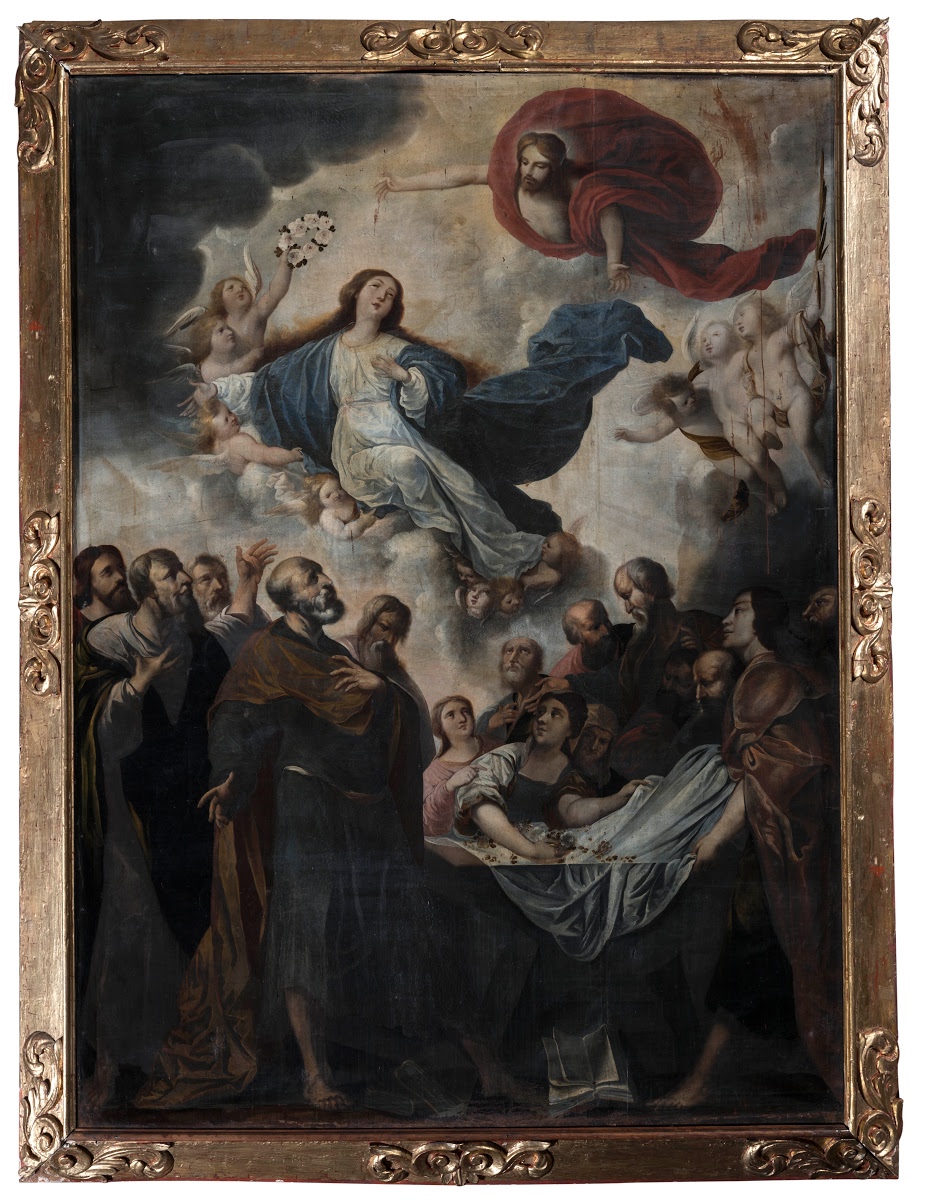
Anónimo · Asunción de la Virgen María · Siglo XVII · Museo Colonial, Bogotá (Colombia)
There is something profoundly Christian about the way the Church celebrates the Assumption of the Blessed Virgin Mary. It does not speak only of a soul entering heaven, but of a woman—body and soul—received into the fullness of God’s glory. In a world that either idolizes the body or treats it as disposable, the Assumption quietly proclaims something astonishing: our bodies matter. These hands that work, these eyes that have wept, these knees that have knelt in prayer, this fragile human flesh that bears the marks of love and suffering—none of it is destined for oblivion. In Mary, we glimpse not only her future but our own. C. S. Lewis once observed that «there are no ordinary people.» The same could be said of the human body. It is not merely a shell for the soul but part of the person whom God has created, redeemed, and intends to raise in glory. This is why the Assumption is such a joyful feast. It reminds us that Christianity is not an escape from our humanity, but its fulfillment. Heaven is not where we become less human, but where, by God’s grace, we become fully what we were created to be. And there, already, our Blessed Mother waits—not as a distant queen, but as the first disciple who has reached the home toward which the whole Church is still making its pilgrimage • AE
Few pieces capture the Church’s love for the Blessed Virgin as beautifully as Rachmaninoff’s Bogoroditse Devo from his All-Night Vigil (1915). Rooted in the ancient Orthodox tradition, this radiant hymn invites us to rejoice with the whole Church as we celebrate the Mother of God, assumed into the glory of her Son.


The Assumption reminds us that heaven is our true home, and that Mary has already reached the destination to which every Christian pilgrim is called. Although this year’s celebration is not a Holy Day of Obligation in the United States, we would be delighted to celebrate this joyful feast with you.
Join us for Holy Mass on Saturday, August 15, at 10:00 a.m. at St. Joseph Catholic Church in Dilley, as together we honor our Blessed Mother and renew our hope in the promise of eternal life.
Solemnidad de Asunción de la Santísima Virgen María (2026)
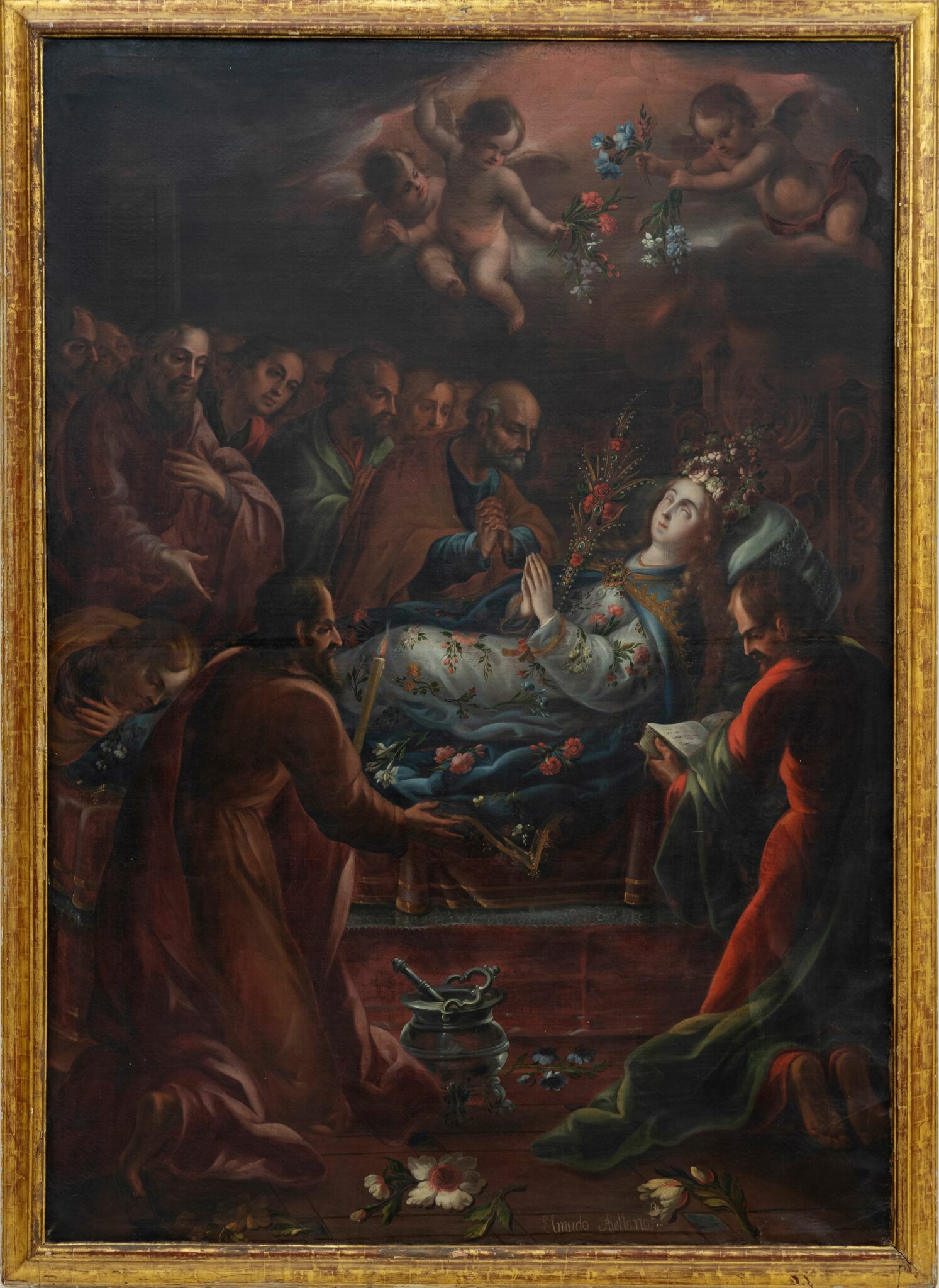
El Mudo Arellano, La Dormición de la Virgen (S. XVII), Óleo sobre lienzo procedente de la Iglesia de San Pedro de Antequera (España), que representa el tránsito de María de la tierra al cielo, rodeada por los Apóstoles y acogida por la gloria celestial.
La Solemnidad de la Asunción nos recuerda una verdad que el mundo moderno parece haber olvidado: el cuerpo no es un simple instrumento, ni un adorno, ni una prisión del alma. Es parte de lo que somos. Con él abrazamos, trabajamos, lloramos, rezamos, acariciamos y servimos. Con él expresamos el amor. Por eso Dios no quiso salvar únicamente el alma de María, sino a María entera. La llevó al cielo en cuerpo y alma. Qué diferente es esta mirada de la nuestra. A veces idolatramos el cuerpo cuando es joven, fuerte o hermoso; otras veces lo despreciamos cuando envejece, enferma o pierde vigor. El Evangelio propone algo mucho más grande: ver el cuerpo como un templo destinado a la gloria. La Asunción nos enseña que ninguna rodilla gastada por la oración, ninguna mano endurecida por el trabajo honrado, ningún rostro surcado por las lágrimas vividas con amor es indiferente para Dios. Todo lo que ha sido ofrecido con fidelidad tiene un destino eterno. María es la primera en recorrer ese camino. En ella contemplamos no sólo un privilegio excepcional, sino también la promesa de Dios para toda la humanidad redimida. La última palabra sobre nuestra historia no será el desgaste, la enfermedad ni la muerte. Será la resurrección • AE
Hay canciones que nos enseñan a mirar de nuevo la vida cotidiana. Las pequeñas cosas, de Joan Manuel Serrat, nos recuerda que aquello que parece insignificante suele ser lo más valioso. La Solemnidad de la Asunción proclama precisamente eso: que nada de lo que ha sido vivido con amor se pierde para siempre. Dios no rescata solamente las grandes hazañas, sino también las pequeñas cosas que hicieron grande una vida.

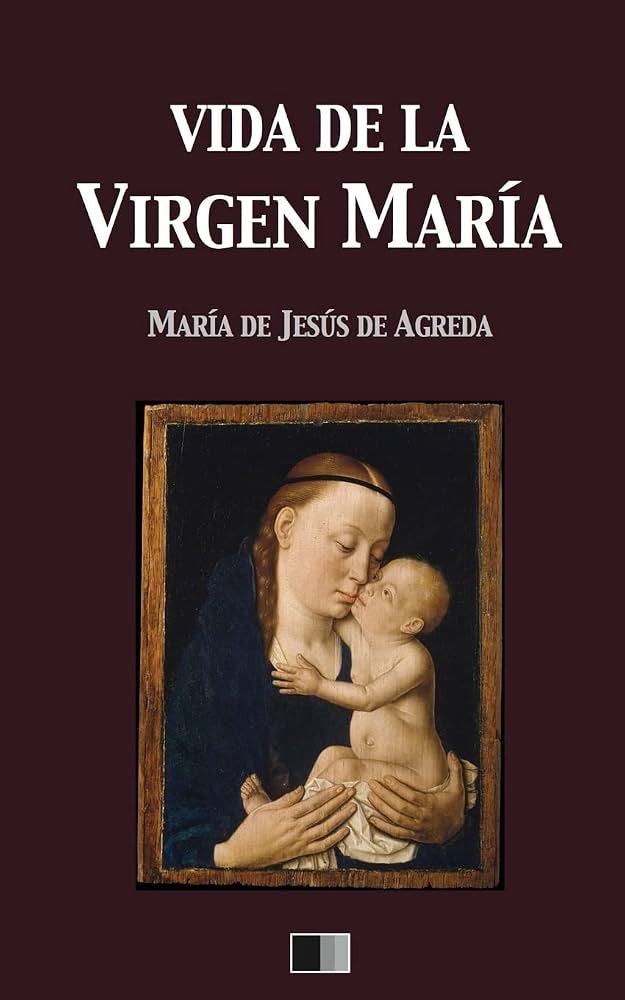
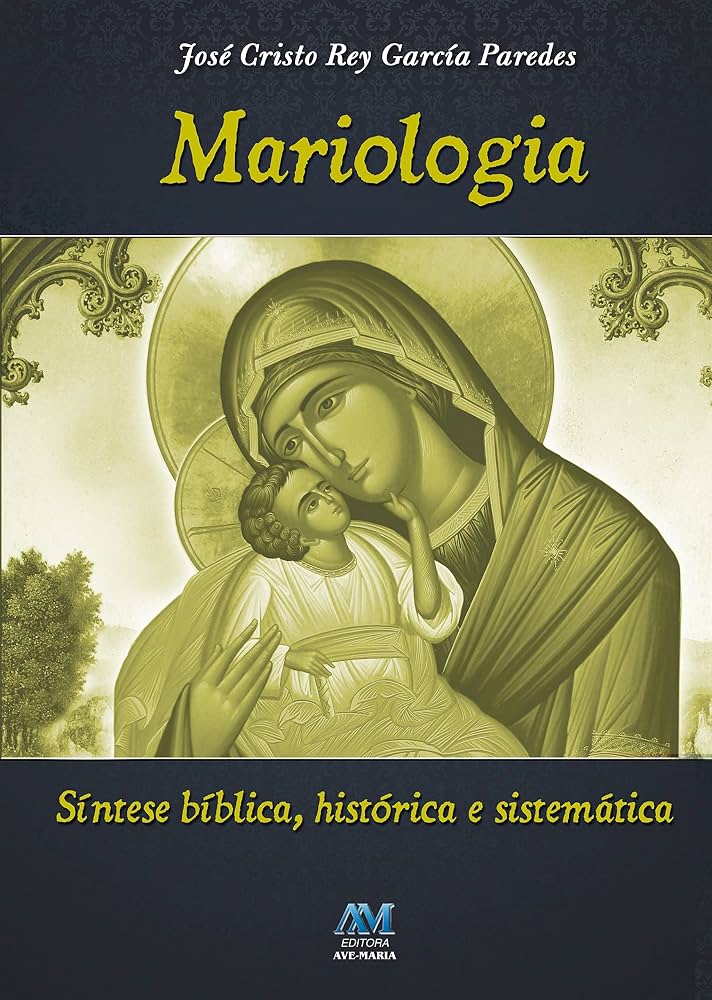
+ veRanO + lECtuRAs