There is a quiet detail in this Gospel that is easy to miss: Jesus does not calm the storm before he speaks. While the wind is still against them and the waves still threaten the boat, he simply says, «Take courage, it is I; do not be afraid.» We often pray for God to change our circumstances so that we may find peace, but the Gospel suggests the opposite. Peace begins not when the storm ends, but when we recognize that Christ has already entered it. Peter walks as long as his eyes remain fixed on the Lord; he sinks only when he begins to measure the strength of the wind instead of the faithfulness of the One who called him. Yet even then, Jesus reaches out immediately. Grace is always quicker than our fear. Jean Sibelius’ The Swan of Tuonela, gliding serenely over dark waters, offers a fitting image of this mystery: the sea remains deep and mysterious, but its darkness no longer has the final word. Faith does not promise calm seas; it promises the presence of Christ, and in the end, that is enough • AE
Jean Sibelius (1865–1957) composed The Swan of Tuonela in 1895 as part of his Lemminkäinen Suite, inspired by the Finnish national epic, the Kalevala. The piece depicts the mythical black swan gliding silently around Tuonela, the land of the dead. With its haunting English horn solo and dark orchestral colors, it has become one of Sibelius’s most beloved and evocative works, capturing an atmosphere of mystery, stillness, and quiet transcendence •
St. Joseph Catholic Church (Dilley, TX) • Weekend Schedule

Fr. Agustin E. (Parish Administrator)
Saturday, August 8, 2026
10.00 a.m. Sacrament of Baptism
5.00 p.m. Sacramento de la Confesión
6.00 p.m. Santa Misa.
Sunday, August 9, 2026.
8.00 a.m. Sacrament of Reconciliation
8.30 a.m. Holy Mass.
10.30 a.m. Sacrament of Reconciliation.
11.00 a.m. Holy Mass & blessing for students and teachers upon the return to school.
Saturday, August 15, 2026.
10.00 a.m. Solemnity of the Assumption of the Blessed Virgin Mary
(not a Holiday of Obligation on 2026)
XIX Domingo del Tiempo Ordinario (Ciclo A)
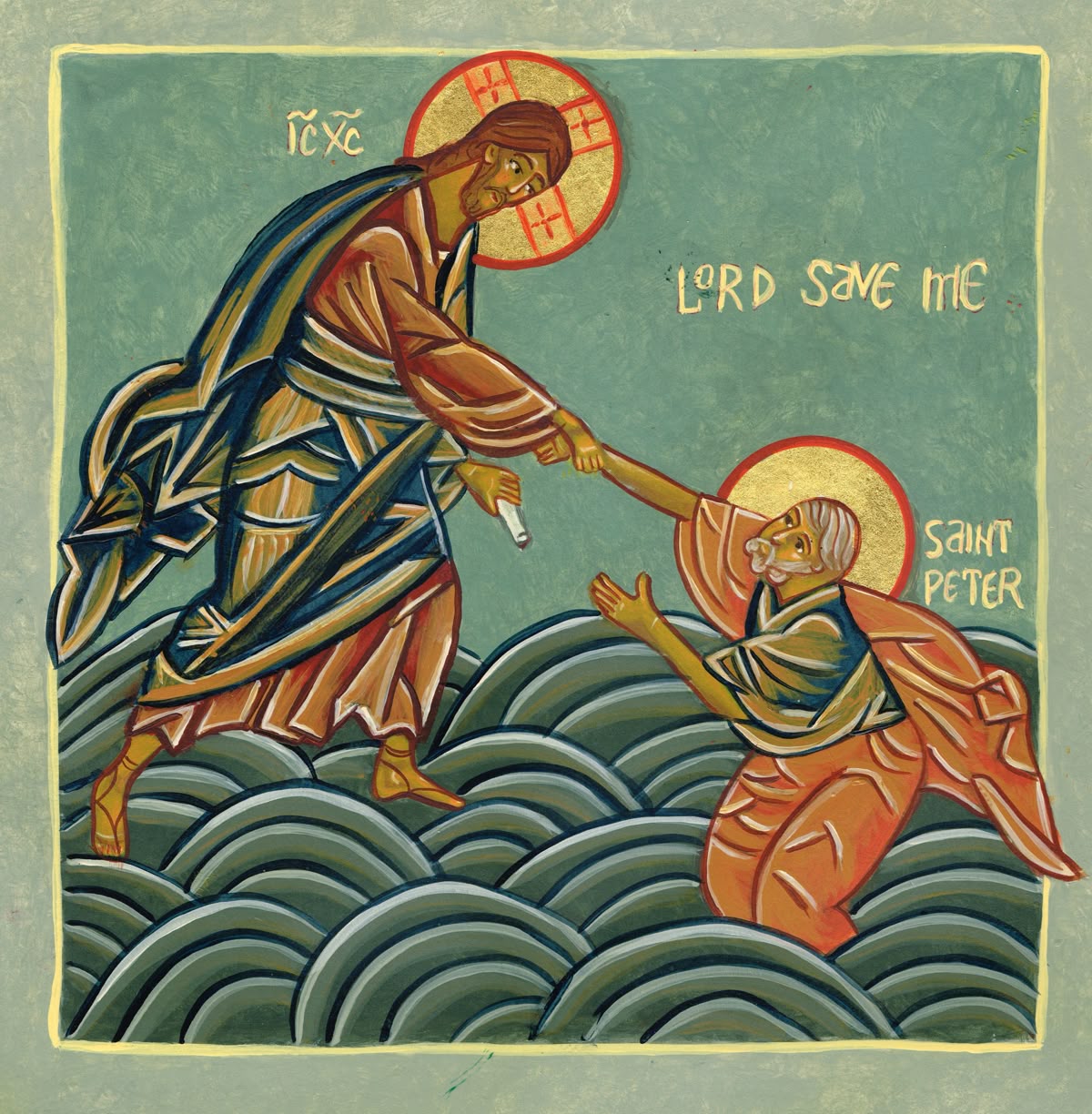
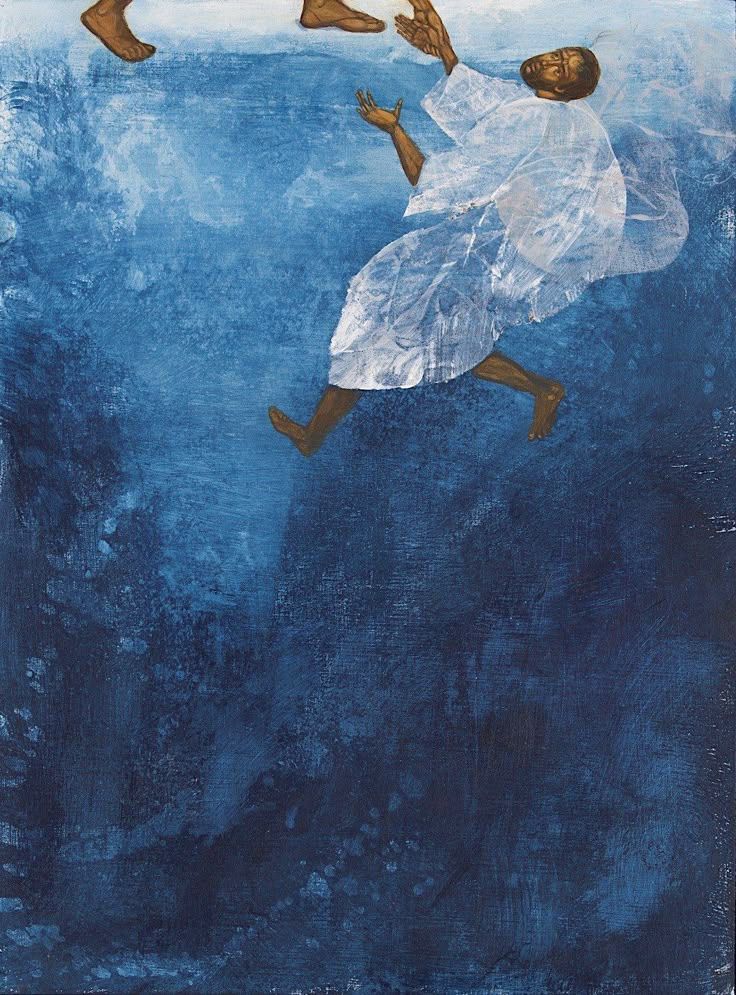
Hay miedos que nos empujan a correr. Hay otros, más sutiles, que nos convencen de no dar un solo paso. Quizá por eso Pedro sigue fascinándonos dos mil años después. No porque caminara sobre las aguas, sino porque fue el único que se atrevió a salir de la barca. Los demás permanecieron donde era razonable permanecer. Él aceptó el riesgo de una palabra: «Ven». La fe comienza casi siempre así: con una invitación sencilla y una decisión arriesgada. Pedro pone un pie fuera de la seguridad de la barca y descubre algo extraordinario: mientras mira a Cristo, el agua puede sostenerlo. No porque las leyes de la naturaleza hayan desaparecido, sino porque la confianza abre posibilidades que el miedo jamás imaginaría. Sin embargo, el Evangelio añade una observación de una delicadeza sorprendente: «vio la fuerza del viento». El viento ya estaba allí cuando salió de la barca. Las olas no eran nuevas. Lo único que cambió fue el lugar donde Pedro decidió fijar la mirada. Cuántas veces nos ocurre lo mismo. No nos hundimos porque existan dificultades. Nos hundimos cuando las dificultades ocupan todo el horizonte. El problema deja de ser una parte de nuestra vida y se convierte en toda nuestra vida. Entonces el miedo amplifica cada ola y reduce a Dios a un lejano espectador. Pero Cristo nunca contempla desde lejos. El evangelista dice que «enseguida» extendió la mano. Ese «enseguida» merece ser saboreado. Dios puede parecer silencioso, pero jamás es indiferente. Su gracia siempre llega antes de que el agua cierre definitivamente sobre nosotros. Quizá la fe no consista en vivir sin tormentas, sino en aprender, una y otra vez, a decidir dónde ponemos los ojos. Porque allí donde descansa nuestra mirada, allí terminará descansando también nuestro corazón • AE
Compuesta hacia 1729, La tempesta di mare (La tormenta en el mar, RV 433) es una de las páginas más brillantes de Antonio Vivaldi. Escrita para flauta, el instrumento parece debatirse entre ráfagas de viento y olas embravecidas, mientras la orquesta recrea la agitación de un mar que no concede tregua. Sin embargo, más allá de su deslumbrante virtuosismo, esta música ofrece una magnífica puerta de entrada al Evangelio de hoy: porque las tempestades más decisivas no siempre se levantan sobre las aguas, sino en el corazón de quien, como Pedro, debe decidir si fija la mirada en el viento… o en Cristo •
+ Verano y + Lecturas

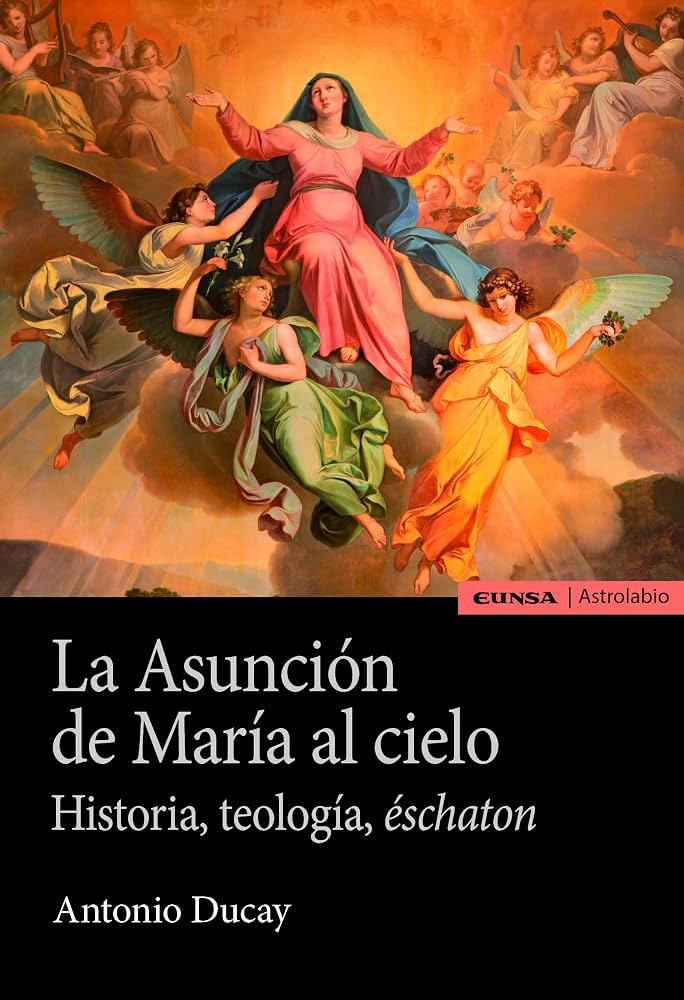
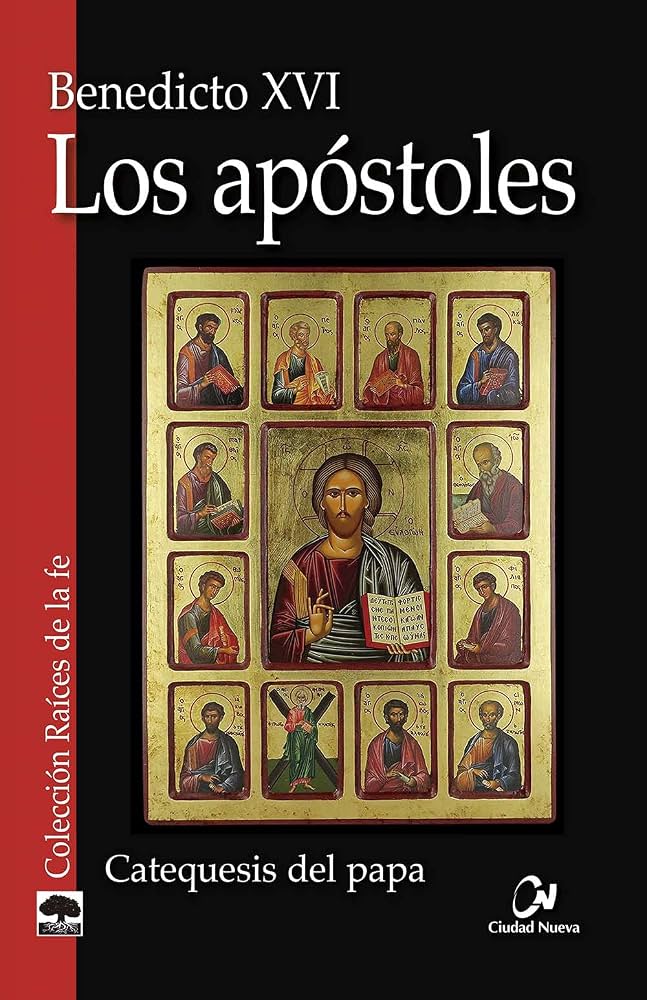
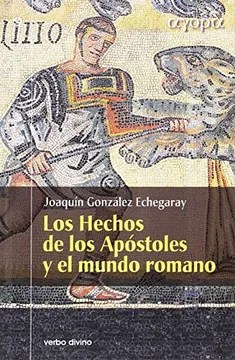
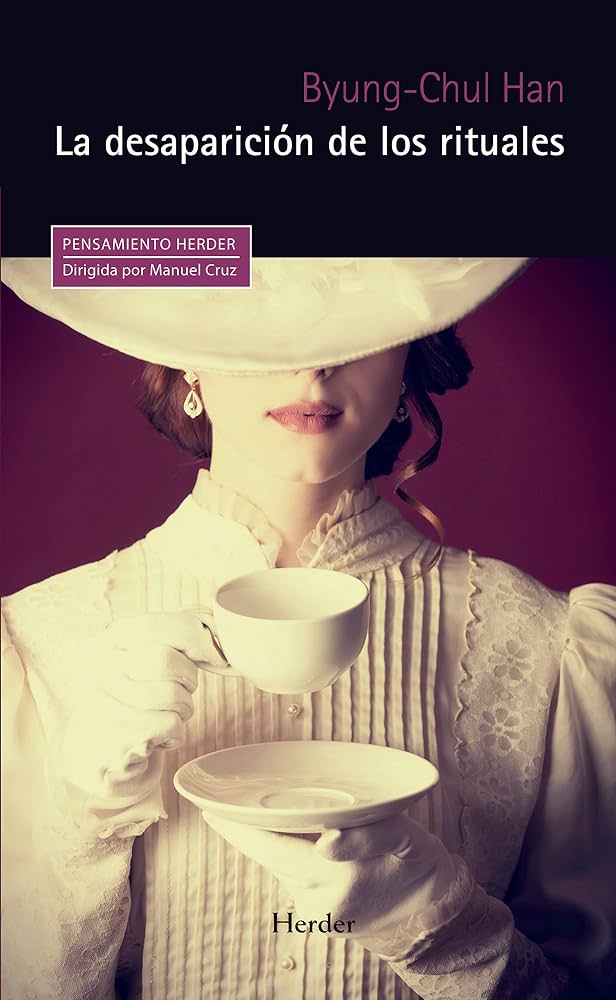
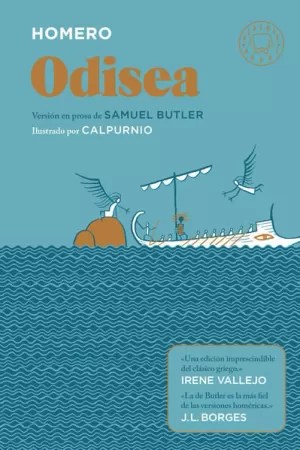
Y como no podia ser menos, también recomendamos muncho (sic), y en partcular esta edición: