Solemnity of Saint Joseph, Spouse of the Blessed Virgin Mary (2025)

Francisco de Goya, The Holy Family with the Child Saint John the Baptist (1780), oil on canvas, Museo del Prado (Madrid)

Joseph never speaks in the Gospel, and yet his silence becomes the place where God’s plan finds shelter. Faced with confusion and the risk of shame, he chooses mercy before certainty, intending to step aside quietly to protect Mary; but when the angel tells him, “Do not be afraid to take Mary into your home,” Joseph responds not with debate but with trust. He wakes and does what he is asked, welcoming into his ordinary life a mystery he does not fully understand. In that simple decision, he becomes the one who makes space for Christ to enter the world. His righteousness is not about control, but about openness — and for a parish that bears his name, his example is an invitation to receive God’s work with the same quiet courage, even when it arrives in ways that unsettle our plans and call us beyond our expectations


Solemnidad de San José, esposo de la Bienaventurada Virgen María (2026)

Señor, ten piedad.
Cristo, ten piedad.
Señor, ten piedad

Cristo, óyenos.
Cristo, escúchanos.

Dios Padre del cielo,
— ten piedad de nosotros.
Dios Hijo, Redentor del mundo,
— ten piedad de nosotros.
Dios Espíritu Santo,
— ten piedad de nosotros.

Santa María,
— ruega por nosotros.

San José,
— ruega por nosotros.
Custodio del Redentor,
— ruega por nosotros.
Esposo fiel de María,
— ruega por nosotros.
Hombre justo,
— ruega por nosotros.
Varón del silencio,
— ruega por nosotros.
Protector del hogar,
— ruega por nosotros.
Guardián de la vida oculta,
— ruega por nosotros.
Defensor de la dignidad,
— ruega por nosotros.
Modelo de obediencia,
— ruega por nosotros.
Servidor humilde del plan de Dios,
— ruega por nosotros.
Padre en la ternura,
— ruega por nosotros.
Refugio de los trabajadores,
— ruega por nosotros.
Amparo de las familias,
— ruega por nosotros.
Consuelo de los afligidos,
— ruega por nosotros.
Esperanza de los que confían,
— ruega por nosotros.

Cordero de Dios que quitas el pecado del mundo,
— perdónanos, Señor.
Cordero de Dios que quitas el pecado del mundo,
— escúchanos, Señor.
Cordero de Dios que quitas el pecado del mundo,
— ten piedad de nosotros.

Ruega por nosotros, San José,
— para que seamos dignos de las promesas de Cristo.

Oremos:
Oh Dios, que confiaste a San José el cuidado de tu Hijo y de su Madre, concédenos vivir con su misma fe y disponibilidad, para acoger tu voluntad en nuestra vida cotidiana. Por Jesucristo nuestro Señor. Amén


Fourth Sunday of Lent (Cycle A)

Anonymous artist, Christ and the Man Born Blind (13th century).

Light rarely arrives with thunder — more often, it unsettles quietly — and this Fourth Sunday of Lent places us inside that moment of disturbance. The man Jesus meets has never seen; his world has always been shaped by touch, sound, and memory, and Christ does not begin with a speech but with a gesture that is almost uncomfortable in its earthiness: he makes mud, places it on the man’s eyes, and sends him to wash. The light comes not as an idea but as a process — something that requires movement, trust, and time. Yet the real tension begins after he sees, because clarity unsettles those who were once comfortable in their certainty, while the man who was blind now speaks with disarming simplicity: “The one called Jesus gave me sight.” The tradition has long known that illumination is not merely about brightness but about transformation; Dante imagined the soul’s journey as a passage from shadow into a vision that changes everything, and in another register Debussy’s Clair de lune suggests how light can emerge gently, revealing what was always present rather than overwhelming it. So too does Christ act — not by forcing, but by quietly illuminating — and this Sunday invites us to ask where we may still prefer the safety of dimness, even when the light is already waiting to be received •

Debussy’s Clair de lune does not overwhelm with brilliance; it lets light appear slowly. Composed at the turn of the twentieth century, in a time that had begun to distrust dramatic certainties, the piece moves gently between shadow and illumination. Its quiet glow does not eliminate the darkness, but allows forms to emerge within it — much like the man in the Gospel, whose sight comes not as a sudden triumph but as a gradual awakening. The music helps us sense that true illumination is not about spectacle, but about learning to recognize what has been present all along •


St. Joseph Catholic Church (Dilley, TX) • Weekend Schedule

Fr. Agustin E. (Parish Administrator)

Saturday, March 14, 2026

5.00 p.m. Sacramento de la Confesión

6.00 p.m. Santa Misa.

Sunday, March 15, 2026

8.00 a.m. Sacrament of Reconciliation

8.30 a.m. Holy Mass.

10.30 a.m. Sacrament of Reconciliation.

11.00 a.m. Holy Mass.

Thursday, March 19, 2026

Solemnity of Saint Joseph, Spouse of the Blessed Virgin Mary

6.00 p.m. Holy Mass


IV Domingo de Cuaresma (Ciclo A)

Ante Él aparece un hombre que nunca ha visto, y el gesto que sigue no es grandioso ni espectacular: Jesús toma barro, lo coloca sobre sus ojos y lo envía a lavarse. La luz llega como camino, no como idea; como una experiencia que transforma desde dentro. Y cuando el hombre comienza a ver, el verdadero conflicto no está en sus ojos abiertos, sino en quienes no pueden reconocer la obra de Dios delante de ellos. Porque la luz de Cristo no se limita a iluminar lo exterior: toca la verdad del corazón. San Gregorio de Nisa hablaba del crecimiento espiritual como una entrada progresiva en la luz que no se agota, donde ver a Dios no es poseerlo, sino dejarse atraer más profundamente por Él; y en otro lenguaje, el Lux Aeterna de György Ligeti parece sostener esa misma sensación de claridad que no deslumbra ni domina, sino que envuelve silenciosamente. Así, este precioso pasaje del evangelio no trata simplemente de curación, sino de encuentro: Cristo abre los ojos para que podamos reconocer su presencia en nuestra propia historia. La pregunta no es si necesitamos luz —todos la necesitamos—, sino si estamos dispuestos a dejarnos mirar por Él para comenzar a ver de verdad •

Compuesta en 1966 para coro a capela, Lux Aeterna pertenece al período en que György Ligeti exploraba nuevas formas de escritura vocal tras su huida de la Hungría soviética hacia Occidente. En lugar de melodías tradicionales, utiliza una técnica llamada micropolifonía, donde muchas voces se mueven lentamente en líneas casi imperceptibles, creando una textura sonora continua, como un resplandor que no tiene borde. Esta búsqueda de una “luz sin contornos” marcó profundamente la música contemporánea de la posguerra y encontró incluso eco cultural al aparecer años después en el cine de Stanley Kubrick. Su atmósfera suspendida no describe la luz: la sugiere desde dentro, como una claridad que se descubre más que se impone •


¿Qué lees estos días de Cuaresma?

Third Sunday of Lent (Cycle A)

Christ and the Samaritan Woman at the Well. Contemporary sacred iconography

At the hottest hour of the day — when the light is harsh and the soul feels most exposed — Jesus is already there, waiting beside a well, asking for a drink; and in that simple request something immense begins, because the One who will one day whisper “I thirst” meets a woman who has come at noon, at the hour of avoidance and solitude, and what starts as a conversation about water slowly opens into the deeper thirst that runs beneath every life, the same longing Augustine once named as the restlessness of the heart and that Dante traced through shadow toward living light, a thirst that still finds its echo in the quiet plea of Bach’s Ich ruf zu dir, where yearning itself becomes prayer; Jesus does not shame her past but illumines it, not to condemn but to free, speaking of a water that does not erase struggle yet begins to flow within, like a hidden spring beneath dry ground; Lent returns us to our own wells, to the places where fatigue and desire meet, and there Christ waits — not to accuse but to invite — asking first for our honesty so that He may give what truly satisfies; and the question that remains is both simple and unsettling: when we feel that quiet thirst within us, do we keep drawing from the same familiar sources, or do we allow Him to lead us toward the deeper water? •

This piece, Ich ruf zu dir, Herr Jesu Christ by Bach, is not simply beautiful music — it is a prayer shaped in sound. Its quiet, steady longing mirrors the deep thirst we hear in this Sunday’s Gospel: a soul calling out, not with drama, but with trust, from a place of need. Just as the Samaritan woman comes to the well at noon, carrying an unspoken ache, this music gives voice to that same interior cry — the humble reaching of the heart toward the One who alone can give living water •


St. Joseph Catholic Church (Dilley, TX) • Weekend Schedule

Fr. Agustin E. (Parish Administrator)

Saturday, March 7, 2026

5.00 p.m. Sacramento de la Confesión

6.00 p.m. Santa Misa.

Sunday, March 8, 2026

8.00 a.m. Sacrament of Reconciliation

8.30 a.m. Holy Mass.

10.30 a.m. Sacrament of Reconciliation.

11.00 a.m. Holy Mass.


III Domingo de Cuaresma (Ciclo A)

Duccio di Buoninsegna, Cristo y la Samaritana (1310), Tempera y oro sobre tabla, Museo Nacional Thyssen-Bornemisza, (Madrid)

Junto al brocal, al sol del mediodía,
se sienta el Señor, cansado del andar;
llega una mujer buscando sin hallar
agua que calme su sed y su porfía
.

“Dame de beber”, le dice el Mesías,
y en su voz comienza otro manantial;
no de la tierra, ni del pozo igual,
sino del fondo que el alma vacía.

Él no la juzga: la mira en verdad,
nombra su historia sin herir su honor,
y abre en su pecho una fuente escondida.

Ella deja el cántaro y la soledad,
pues ha encontrado en aquel Señor
el agua viva que despierta vida.

Hay encuentros que suceden cuando nadie mira, al mediodía, cuando el sol no perdona y uno preferiría pasar desapercibido; así comienza el Evangelio de este domingo, no con un milagro sino con una petición: “Dame de beber”. Jesús no empieza enseñando, empieza necesitando, se presenta vulnerable y así abre una puerta, porque la sed no es solo física sino existencial: no se trata solo de agua, sino de sentido. No es casual que este encuentro sea con una mujer —y que ocurra precisamente en un tiempo en que el mundo recuerda, desde distintos ángulos, la dignidad y el aporte femenino—, pues el Evangelio muestra a Jesús confiando en su interlocución, escuchando su historia y revelándose a ella de un modo que transforma; como tantas veces recordó el Papa Francisco, el “genio femenino” no es una consigna sino una capacidad real de custodiar la vida, incluso cuando esta parece fragmentada. La mujer ha vivido intentando saciar algo que no se sacia, no por maldad sino por cansancio, y Jesús no corrige primero, escucha, luego revela; lo que ofrece no es una solución inmediata, sino una fuente que brota desde dentro, que no depende del clima, del momento ni de la mirada ajena. Toda vida humana conoce ese desierto donde lo que antes funcionaba ya no basta; los antiguos supieron nombrarlo, como san Juan de la Cruz al hablar de la noche que purifica no como castigo sino como camino, y algo de esa misma hondura serena —esa sed que no desespera pero tampoco se conforma— se percibe en el Intermezzo Op. 118 n.º 2 de Brahms, donde la música parece caminar con dignidad entre fragilidad y esperanza. La mujer deja el cántaro, no porque el agua ya no importe, sino porque ha descubierto algo mayor; esta Cuaresma no nos pide negar nuestra sed, sino reconocerla y dejarnos encontrar en ese lugar preciso donde creemos que nadie nos ve •

Compuesto en la madurez de Brahms, este Intermezzo pertenece a un conjunto de piezas breves que él mismo describía como “canciones de cuna para mis dolores”. No buscan el brillo virtuoso, sino una hondura recogida, propia de quien ha atravesado ya muchas estaciones de la vida. En su atmósfera contenida —entre nostalgia y serenidad— se percibe la sensibilidad de una Europa fin de siglo que comenzaba a mirar hacia el interior más que hacia la conquista. Por eso acompaña bien este Evangelio: como la mujer junto al pozo, esta música no dramatiza la sed ni la disimula, sino que la reconoce con sobriedad, dejando que el silencio que la rodea sugiera que el anhelo humano puede ser también un lugar de encuentro •


¿Qué lees estos dias?


Second Sunday of Lent (Cycle A)

The Prophet Elijah Fed by the Raven, Icon, Byzantine tradition.

Some fatigue does not come from lack of sleep but from carrying too much for too long — work that never slows, worries that linger, responsibilities that follow us into the night. In the Gospel of the Transfiguration, Jesus leads Peter, James, and John up a mountain, away from the noise and weight of daily life, and for a brief moment they glimpse His glory. Then the voice from the cloud speaks: “This is my beloved Son… listen to Him.” Lent invites us into that same movement — not to escape life, but to see it clearly again. Like Elijah discovering God not in wind or fire but in a gentle whisper, we learn that the spiritual life begins in quiet listening. We do not remain on the mountain; we return to ordinary routines. Yet faith is formed there, in small faithful moments: Sunday Mass, a simple Lenten sacrifice, a decade of the rosary, a quiet prayer before sleep, a hidden act of kindness. Holiness is not built in grand gestures but in many small offerings of love, gathered day by day — like the quiet unfolding of Bach’s Cello Suites, where simplicity becomes depth and repetition becomes beauty. As life grows noisy again, the voice from the cloud still speaks: listen to Him. Give Him one small moment. He will do the rest

Johann Sebastian Bach’s Cello Suites are among the most intimate works in all of classical music. Written for a single instrument, they reveal how simplicity can unfold into surprising depth: a single melodic line becomes prayer, meditation, and quiet conversation with the soul. Their beauty does not overwhelm; it emerges slowly through repetition, restraint, and attentive listening. I included the Cello Suites here because they mirror the spiritual life described in the Gospel — not dramatic, not loud, but formed through small, faithful movements that, over time, shape the heart. Like these suites, the life of faith grows through simplicity, patience, and the quiet presence of grace


St. Joseph Catholic Church (Dilley, TX) • Weekend Schedule

Fr. Agustin E. (Parish Administrator)

Saturday, February 28, 2026.

5.00 p.m. Sacramento de la Confesión

6.00 p.m. Santa Misa.

Sunday, March 1, 2026

8.00 a.m. Sacrament of Reconciliation

8.30 a.m. Holy Mass.

10.30 a.m. Sacrament of Reconciliation.

11.00 a.m. Holy Mass.


II Domingo de Cuaresma (Ciclo A)

Basilius, La Transfiguración (ca. 1131), manuscrito iluminado sobre pergamino, British Library, (Londres)

A veces no es el ruido exterior lo que nos agota, sino la prisa continua con la que vivimos: pasar de una tarea a otra, resolver pendientes, sostener responsabilidades sin pausa. El Evangelio de la Transfiguración nos muestra a Jesús llevando a sus discípulos a un monte, no para huir del mundo, sino para detenerse y aprender a mirar con profundidad. Allí no reciben instrucciones complicadas; escuchan una voz sencilla: «Este es mi Hijo amado… escúchenlo». La experiencia no dura mucho. Deben descender y volver a la vida ordinaria. Pero algo ha cambiado: ahora saben dónde dirigir el corazón. La fe se fortalece precisamente en ese regreso cotidiano — en un momento de silencio antes de empezar el día, en una palabra paciente cuando el cansancio pesa, en un gesto discreto de ayuda, en un sacrificio pequeño ofrecido con amor. Como escribe Rainer Maria Rilke, la verdadera transformación ocurre en lo interior, silenciosamente, como quien madura sin darse cuenta. Algo semejante se percibe al escuchar el Cantus in Memory of Benjamin Britten de Arvo Pärt: una música austera y luminosa que, a través de repeticiones lentas, parece abrir un espacio de recogimiento donde lo esencial se hace audible. En medio del ritmo acelerado de cada día, la invitación permanece: detenerse, escuchar, y ofrecer a Cristo un pequeño momento. A partir de ahí, todo comienza a cambiar

El Cantus in Memory of Benjamin Britten, del compositor estonio Arvo Pärt, es una pieza breve y profundamente meditativa escrita para cuerdas y campana. Construida sobre repeticiones lentas y una sencilla escala descendente, la música parece suspender el tiempo y conducir al oyente hacia un silencio lleno de significado. No busca impresionar, sino crear un espacio interior donde la memoria, el recogimiento y la trascendencia puedan emerger. Por eso resulta tan sugerente: nos recuerda que la profundidad no nace del ruido ni de la complejidad, sino de la quietud que permite escuchar lo esencial


Lecturas para la Cuaresma


Ash Wednesday • 2026

C. Russo, Vanitas (2023), oil on panel, Sloane Merrill Gallery (Boston, Massachusetts).

Ash Wednesday arrives without fanfare. No bells, no flowers, no bright colors—only a small cross of ash traced quietly on the forehead. It is one of the most honest days of the year. We come forward with the rest of the crowd, and the Church tells us the truth we usually avoid: remember that you are dust, and to dust you shall return. Not as a threat, but as a mercy. Because when we remember that life is fragile and time is short, many of our worries lose their weight. Old grudges begin to look foolish. Vanity grows thin. What truly matters comes into focus again: God, love, forgiveness, the people entrusted to us. Lent begins not with great resolutions, but with a simple gesture and a quiet invitation. Turn back. Come home. Start again. The ashes on our foreheads will be gone by the afternoon, brushed away by a hand or lost in the wind, but the grace they announce can remain—like a slow, minor-key prelude by Bach, steady and sober, guiding the heart gently back toward what is real and eternal •


Miércoles de Ceniza • 2026

B. Antelami, Descendimiento de la cruz (1178), escultura en mármol, Catedral de Parma (Italia)

El Miércoles de Ceniza no empieza con promesas heroicas ni con planes complicados. Empieza con un gesto sencillo y con una verdad que a veces preferimos olvidar: somos frágiles, somos pasajeros, somos polvo. No es un mensaje triste, sino liberador. Porque cuando recordamos que la vida es breve, muchas cosas dejan de parecer tan importantes. Las discusiones inútiles pierden fuerza, las preocupaciones exageradas se encogen, y lo esencial vuelve a ocupar su lugar. La Cuaresma no es un tiempo para castigarnos, sino para volver al centro. Para hablar más con Dios y menos con el ruido. Para hacer espacio en el corazón. Para mirar de frente aquello que necesita cambio, sin miedo y sin excusas. El signo de la ceniza desaparece pronto, pero su sentido puede quedarse: una vida más sencilla, un corazón más humilde, una fe más real. No se trata de hacer cosas extraordinarias, sino de volver a lo esencial, a ponernos delante del Señor, con sencillez y con confianza; paso a paso, con paciencia, como quien enciende una pequeña luz al amanecer y deja que, poco a poco, ilumine toda la casa •


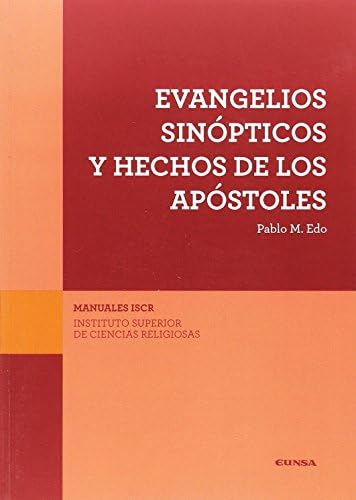
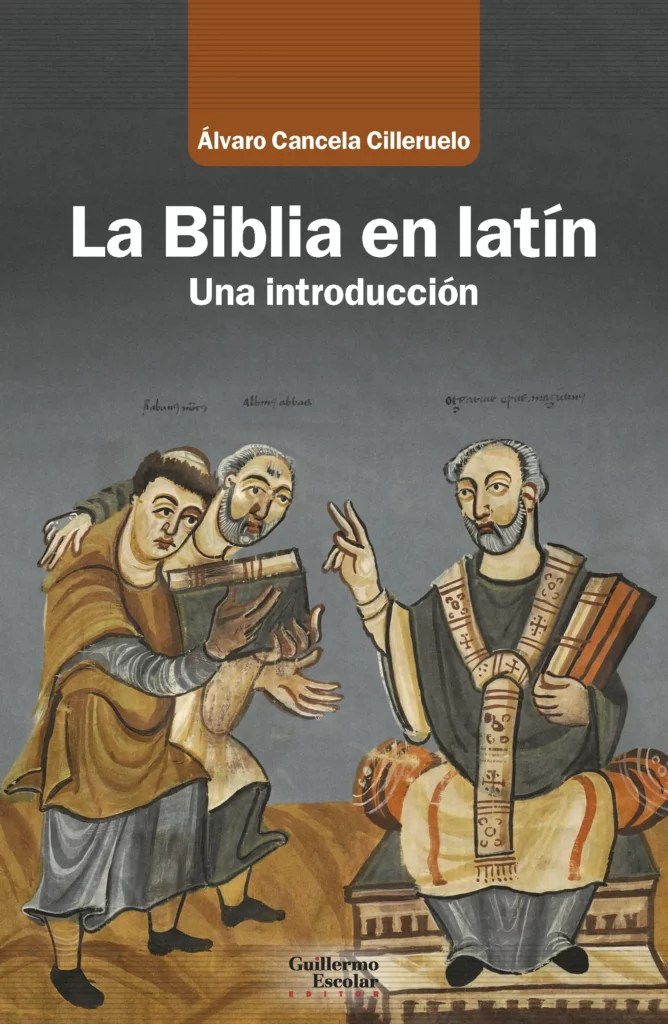
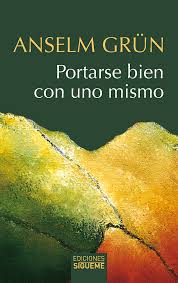
¿Qué Leer en Cuaresma?